
The Surge of AI Data Centers: Economic Boom or Environmental Crisis?

The Surge of AI Data Centers: Economic Boom or Environmental Crisis?
The rapid expansion of AI data centers across the United States is sparking both excitement and controversy. While these facilities promise economic growth and technological advancement, they also raise significant environmental concerns. As data centers pop up across the U.S., demand for power is surpassing supply in some regions and solutions are costly.
The Economic Benefits of AI Data Centers
AI data centers are often touted as economic engines, promising job creation and technological advancement. The Wildcat Ridge Data Center Campus, for example, has launched public relations campaigns highlighting its economic benefits. These facilities attract significant investment and can revitalize local economies.
However, the economic benefits are not always as substantial as promised. Once the centers are built, there are not that many jobs. The centers use huge amounts of water and energy, which can strain local resources.
Environmental Concerns and Resistance
Despite the economic promises, AI data centers face growing resistance due to their environmental impact. Data centers in Arizona, Oregon, and Iowa have faced backlash for consuming local water supplies during drought conditions. Environmental and religious groups are taking legal action against these facilities, citing their excessive resource consumption.
The rapid expansion of AI data centers is outpacing regulatory frameworks, leading to significant environmental and social challenges.
Power Demand and Energy Consumption
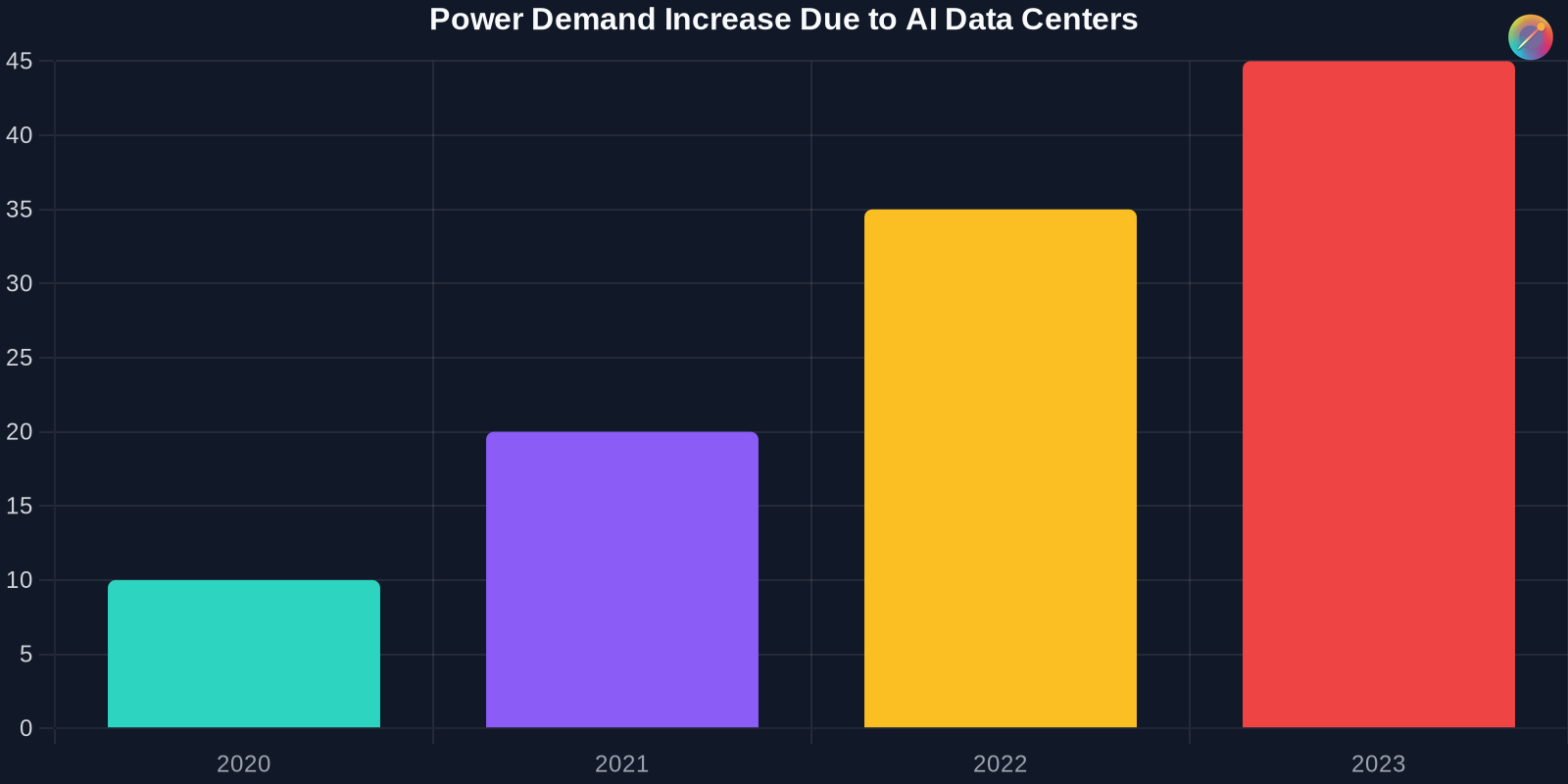
One of the most pressing issues with AI data centers is their enormous power demand. As data centers proliferate, the demand for electricity is surpassing supply in some regions. This has led to costly solutions and increased pressure on local power grids. Gov. JB Pritzker and seven other governors are pushing for better management of power grids to accommodate these facilities.
Regulatory Challenges and Legal Battles
Data centers are moving faster than regulations can keep up. This regulatory lag has led to legal battles and public relations campaigns. Environmental groups are taking utility companies to court, arguing that the rapid expansion of data centers is not sustainable. The lack of comprehensive regulations exacerbates the tension between economic development and environmental protection.
Case Studies: Successes and Failures
Success Story: Revitalizing Local Economies
In some regions, AI data centers have successfully revitalized local economies. For example, a data center in a rural area of Texas brought in significant investment and created high-paying jobs, boosting the local economy.
Failure Story: Environmental Backlash
In contrast, a data center in Arizona faced severe backlash due to its high water consumption during a drought. The facility was eventually forced to implement costly water recycling measures to mitigate the environmental impact.
| Aspect | Success Story | Failure Story |
|---|---|---|
| Economic Impact | Significant investment and job creation | High costs and legal battles |
| Environmental Impact | Minimal resistance and sustainable practices | Severe backlash and resource strain |
| Community Response | Positive reception and support | Legal action and protests |
The Future of AI Data Centers
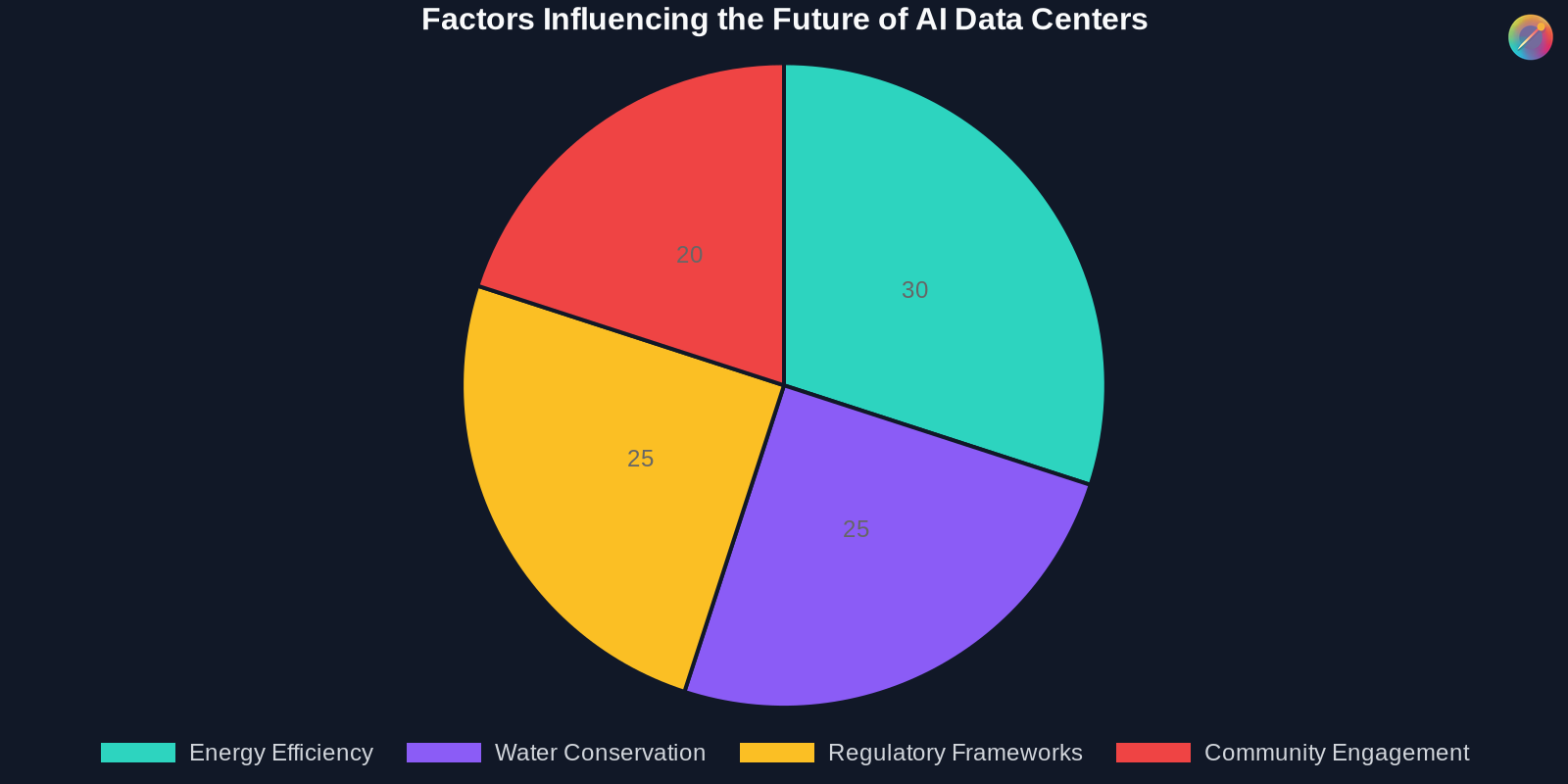
The future of AI data centers hinges on balancing economic benefits with environmental sustainability. Innovations in energy efficiency and water conservation are crucial. Additionally, comprehensive regulatory frameworks are needed to ensure that the growth of these facilities does not come at the expense of local communities and the environment.
Key Takeaways
Conclusion
The nationwide boom in AI data centers presents a complex challenge. While these facilities offer significant economic benefits, their environmental impact cannot be ignored. Balancing these factors is crucial for sustainable growth. As the demand for AI data centers continues to rise, it is essential to develop comprehensive regulatory frameworks and innovative solutions to mitigate their environmental impact.
For further reading, explore these authoritative sources: