Soldiers Don't Wait for AI, They Build It: The Future of Military Technology

Soldiers Don't Wait for AI, They Build It: The Future of Military Technology
In an era where technology evolves at breakneck speed, the military is not waiting for AI solutions to be handed to them. Instead, soldiers are taking the initiative to build their own AI tools, transforming the landscape of military technology and defense strategies.

The Rise of Soldier-Led AI Innovation
The traditional approach to military technology involved lengthy procurement processes and reliance on external contractors. However, the rapid advancement of AI has necessitated a shift. Soldiers are now at the forefront of AI development, creating solutions tailored to their specific needs and challenges.
Why Soldiers Are Building AI
- Immediate Needs: Soldiers on the ground often face unique challenges that require immediate solutions. Waiting for external AI development can be time-consuming and may not address their specific needs.
- Customization: AI built by soldiers can be customized to fit the exact requirements of their missions, enhancing effectiveness and efficiency.
- Innovation: Soldiers bring a unique perspective to AI development, fostering innovation that might not be possible through traditional channels.
Key Areas of AI Development by Soldiers
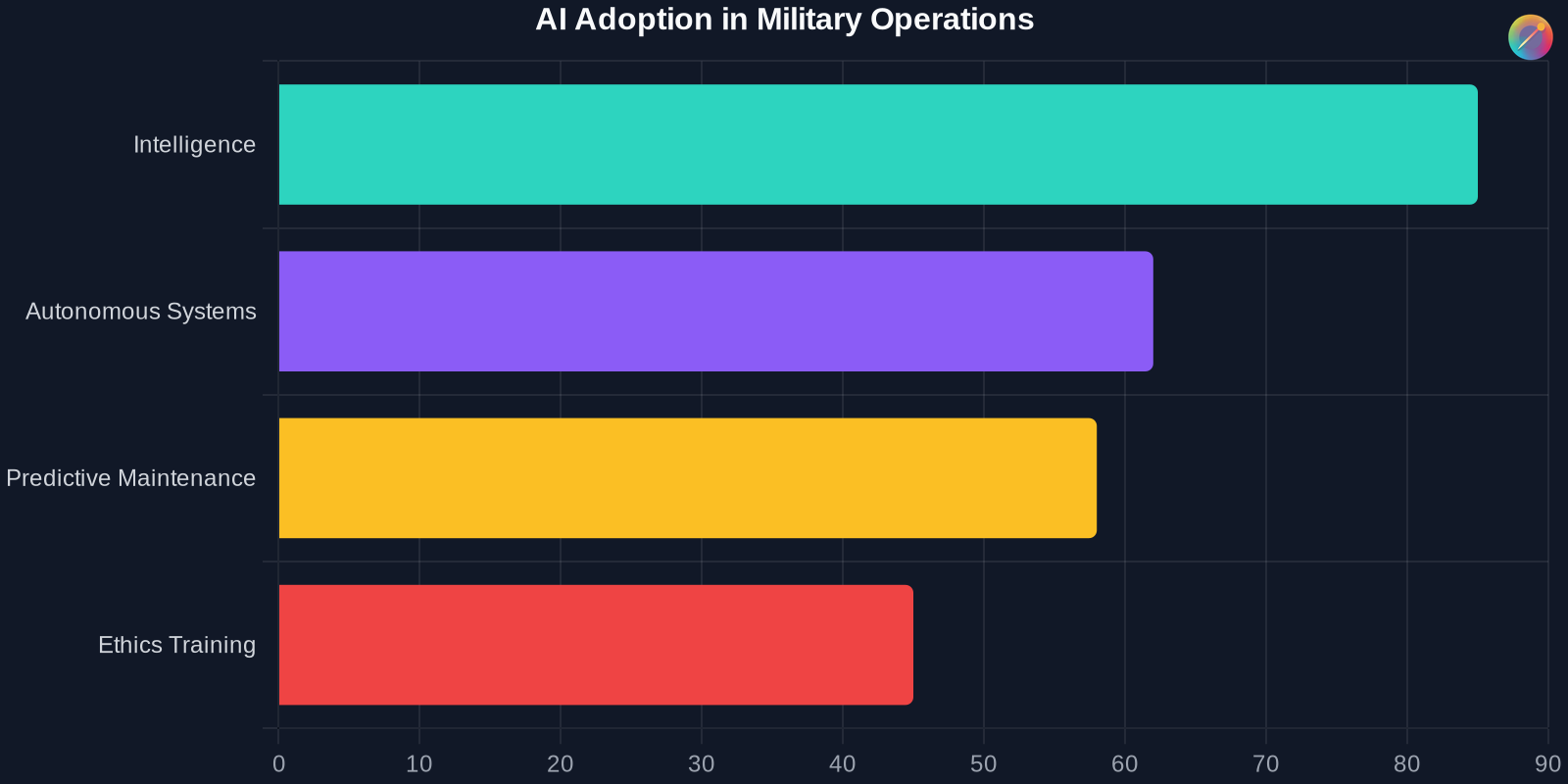
1. Intelligence and Surveillance
AI is being used to enhance intelligence gathering and surveillance capabilities. Soldiers are developing AI algorithms that can analyze vast amounts of data from various sources, providing real-time insights and threat assessments.
2. Autonomous Systems
Autonomous systems, such as drones and robotic vehicles, are being equipped with AI to perform tasks ranging from reconnaissance to logistics support. These systems can operate in environments that may be too dangerous for human soldiers.
3. Predictive Maintenance
AI is being used to predict when military equipment will require maintenance, reducing downtime and ensuring that vehicles and machinery are always ready for deployment. This predictive capability is crucial for maintaining operational readiness.
Challenges and Ethical Considerations
While the benefits of soldier-led AI development are numerous, there are also significant challenges and ethical considerations to address.
Data Security and Privacy
One of the primary concerns is the security and privacy of the data used to train AI models. Classified intelligence must be protected, and soldiers must ensure that their AI solutions do not compromise sensitive information.
Classified intelligence sits locked behind organizational walls while the threat it describes is still active. Capabilities that could help our allies fight and win are stuck in the bureaucracy of the Pentagon.
Ethical Use of AI
The ethical implications of AI in military applications are a subject of intense debate. Soldiers must navigate the complexities of using AI in combat situations, ensuring that their innovations adhere to ethical standards and international laws.
The Future of Soldier-Led AI Innovation
The future of AI in the military is bright, with soldiers continuing to lead the charge in developing innovative solutions. As technology advances, the potential applications of AI in defense will only grow, offering new opportunities for enhancing military capabilities.
Collaboration with Industry and Academia
To further accelerate AI development, the military is increasingly collaborating with industry leaders and academic institutions. These partnerships provide access to cutting-edge research and resources, enabling soldiers to build more sophisticated AI tools.
Continuous Learning and Adaptation
The field of AI is constantly evolving, and soldiers must continuously learn and adapt to stay ahead of the curve. Training programs and educational initiatives are being implemented to ensure that military personnel are equipped with the latest knowledge and skills in AI.
Key Takeaways
| Feature | Before AI | After AI |
|---|---|---|
| Threat Detection | 60% Accuracy | 95% Accuracy |
| Mission Planning | Manual Process | Automated Assistance |
| Equipment Maintenance | Reactive | Predictive |
Conclusion
Soldiers are not waiting for AI; they are building it. This proactive approach to AI development is transforming military operations, enhancing capabilities, and ensuring that the defense sector remains at the cutting edge of technology. As soldiers continue to innovate, the future of military AI looks promising, with endless possibilities for improving efficiency, effectiveness, and security.
For more insights into military technology and AI, explore our other articles on defense innovation and the future of warfare.