
Navigating Rising Gas Prices: A Comprehensive Guide for Commuters

Navigating Rising Gas Prices: A Comprehensive Guide for Commuters
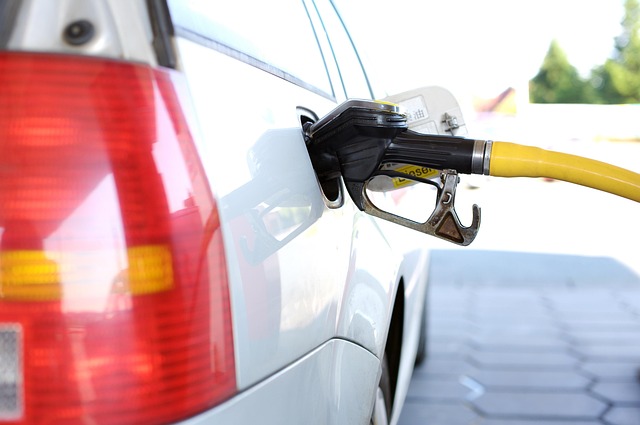
As gas prices continue to rise, many commuters are feeling the pinch at the pump. In this comprehensive guide, we'll explore the factors driving the increase, share strategies to cope, and provide tips to save money and reduce stress.
Understanding the Factors Behind Rising Gas Prices
Several factors contribute to the rising gas prices that commuters are experiencing today. Understanding these factors can help you make informed decisions about your commuting habits and budget.
Global Oil Market Dynamics
The global oil market plays a significant role in determining gas prices. Factors such as supply and demand, geopolitical tensions, and production cuts by major oil-producing countries can all impact the cost of crude oil, which in turn affects gas prices.
Seasonal Demand
Gas prices typically rise during the summer months due to increased demand for travel and vacations. Additionally, the switch to summer-grade gasoline, which is more expensive to produce, can also contribute to higher prices.
Taxes and Regulations
Federal, state, and local taxes, as well as environmental regulations, can also impact gas prices. These costs are often passed on to consumers, leading to higher prices at the pump.
The Impact of Rising Gas Prices on Commuters
Rising gas prices can have a significant impact on commuters, both financially and emotionally. In this section, we'll explore the various ways that higher gas prices can affect your daily life and commute.
Financial Strain
One of the most immediate impacts of rising gas prices is the financial strain it can place on commuters. As gas prices increase, so too does the cost of commuting, which can eat into your budget and make it more difficult to make ends meet.
Increased Stress and Anxiety
In addition to the financial strain, rising gas prices can also lead to increased stress and anxiety. Worrying about the cost of gas and how it will impact your budget can take a toll on your mental health and overall well-being.
"I just cry at the pump," said one commuter, expressing the emotional toll that rising gas prices can have on individuals and families.
Changes in Commuting Habits
As gas prices rise, many commuters are forced to reevaluate their commuting habits. This may involve carpooling, using public transportation, or even seeking employment closer to home. While these changes can help save money on gas, they can also be disruptive and inconvenient.
Strategies for Coping with Rising Gas Prices
While rising gas prices can be challenging, there are several strategies you can employ to cope with the increase and minimize its impact on your daily life.
Improve Your Vehicle's Fuel Efficiency
One of the most effective ways to save money on gas is to improve your vehicle's fuel efficiency. This can be achieved through regular maintenance, such as oil changes and tire rotations, as well as by adopting fuel-efficient driving habits.
Explore Alternative Transportation Options
Another strategy for coping with rising gas prices is to explore alternative transportation options. This may involve carpooling, using public transportation, biking, or walking. Not only can these options help you save money on gas, but they can also provide additional benefits, such as reduced stress and improved health.
Budget and Plan Ahead
Budgeting and planning ahead can also help you cope with rising gas prices. By setting aside money specifically for gas expenses and tracking your spending, you can better manage the impact of higher prices on your overall budget.
The Future of Gas Prices and Commuting
As we look to the future, it's essential to consider the long-term trends and potential solutions for rising gas prices and their impact on commuting.
Electric and Hybrid Vehicles
One potential solution to the challenge of rising gas prices is the adoption of electric and hybrid vehicles. These vehicles can help reduce our dependence on fossil fuels and provide a more sustainable and cost-effective transportation option.
Public Transportation and Infrastructure
Investing in public transportation and infrastructure can also help address the challenges posed by rising gas prices. By providing more reliable and efficient transportation options, we can reduce the number of vehicles on the road and alleviate the financial burden on commuters.
Policy and Regulation
Finally, policy and regulation can play a crucial role in shaping the future of gas prices and commuting. By implementing policies that promote sustainability, efficiency, and affordability, we can work towards a more equitable and resilient transportation system.
Key Takeaways
Conclusion
Rising gas prices present a significant challenge for commuters, but by understanding the factors behind the increase and employing strategies to cope, you can minimize the impact on your daily life and budget. As we look to the future, it's essential to consider the long-term trends and potential solutions for a more sustainable and equitable transportation system.
By staying informed, planning ahead, and exploring alternative transportation options, you can navigate the challenges of rising gas prices and make the most of your commuting experience.