Meta's Muse Spark: The Future of AI or a Closed-Source Controversy?
Meta's Muse Spark: The Future of AI or a Closed-Source Controversy?

Meta's recent unveiling of Muse Spark, an AI model aimed at automating coding jobs, has sparked a heated debate in the tech community. With Mark Zuckerberg's vision of "personal superintelligence" and plans to roll out AI-driven coding automation by 2025, the implications for the future of work and AI development are profound.
The Vision Behind Muse Spark
Meta's Muse Spark is not just another AI model; it represents a significant step towards what Mark Zuckerberg envisions as "personal superintelligence." This concept involves AI systems that can understand and assist users in highly personalized ways, potentially revolutionizing how we interact with technology.
Key Features of Muse Spark
- Automation of Coding Jobs: Muse Spark aims to automate coding tasks, potentially reducing the need for human coders in certain areas.
- Personal Superintelligence: The model is a step towards AI that can understand and assist users in highly personalized ways.
- Closed-Source Development: Unlike some of Meta's other AI initiatives, Muse Spark will remain closed-source, at least for now.
The Open-Source vs. Closed-Source Debate
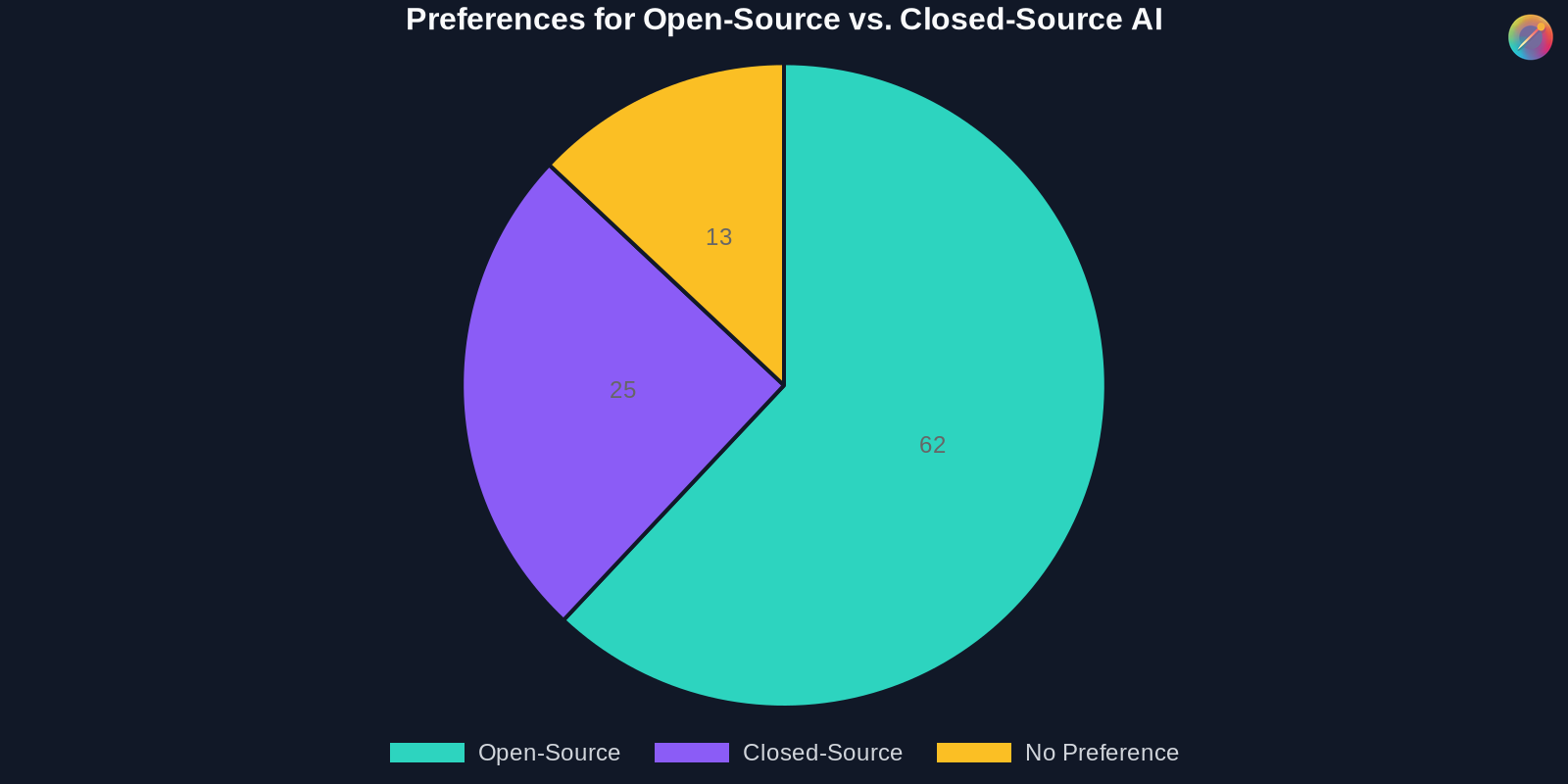
The decision to keep Muse Spark closed-source has ignited a debate within the tech community. Open-source advocates argue that open-source AI models foster innovation and collaboration, while closed-source proponents believe it protects proprietary technology and ensures quality control.
Advantages of Open-Source AI
- Collaboration: Open-source models encourage collaboration and innovation.
- Transparency: Open-source models provide transparency, allowing users to understand and trust the technology.
- Customization: Developers can customize open-source models to fit specific needs.
Advantages of Closed-Source AI
- Quality Control: Closed-source models can ensure higher quality control and consistency.
- Security: Closed-source models can offer better security and protection of proprietary technology.
- Support: Closed-source models often come with dedicated support and maintenance.
The debate between open-source and closed-source AI is not just about technology; it's about the future of innovation and collaboration in the tech industry.
Industry Reactions and Implications
The tech industry has had mixed reactions to Meta's announcement. While some praise the potential efficiency gains, others express concern about job displacement and the ethical implications of closed-source AI.
Potential Job Displacement
One of the most significant concerns is the potential for job displacement. As AI models like Muse Spark become more capable, there is a growing fear that many coding jobs could become obsolete.
Ethical Considerations
The ethical implications of closed-source AI are also a major concern. Critics argue that closed-source models lack transparency, making it difficult to ensure ethical standards and accountability.
The Future of AI at Meta
Meta's plans for AI extend beyond Muse Spark. The company has been actively developing various AI tools and models, aiming to integrate AI into every aspect of its operations.
Vertical Tabs and User Experience
Meta has also introduced vertical tabs and other tools designed to help users manage cluttered screens and focus on the content that matters. These innovations are part of a broader strategy to enhance user experience through AI.
AI CEO Assistant
Reports reveal that Mark Zuckerberg is developing an internal AI "CEO-like" assistant at Meta. This AI assistant is designed to help manage the company's operations more efficiently, further emphasizing Meta's commitment to AI integration.
Key Takeaways
Conclusion
Meta's Muse Spark represents a significant step towards the future of AI and automation. While the debate between open-source and closed-source AI continues, the potential for AI to revolutionize the tech industry is undeniable. As Meta continues to innovate, the implications for the future of work and technology are profound.
| Feature | Open-Source AI | Closed-Source AI |
|---|---|---|
| Collaboration | High | Low |
| Transparency | High | Low |
| Quality Control | Variable | High |
| Security | Variable | High |
| Support | Community-Driven | Dedicated |
For more insights into what lies ahead in 2025, explore our full annual newsletter via the link in our bio. What are your thoughts on these shifts? Let's know in the comments below.