
Building a Strong Foundation in Web Development: A Comprehensive Guide

Building a Strong Foundation in Web Development: A Comprehensive Guide
Learning web development is like building a house; you can't rush it. You have to lay the foundation step by step. Many beginners give up too quickly because they try to rush through the basics. This guide will help you understand the importance of building a strong foundation in web development and provide you with the resources to get started.
Why a Strong Foundation Matters
A strong foundation in web development is crucial for several reasons. First, it ensures that you understand the core concepts and technologies that power the web. Second, it makes it easier to learn advanced topics and frameworks. Finally, it helps you become a versatile developer capable of tackling any project.
Core Technologies: HTML5, CSS3, and JavaScript
HTML5: The Structure of the Web
HTML5 is the backbone of any website. It provides the structure and content of web pages. Mastering HTML5 is the first step in your web development journey.
- Semantic Elements: Learn to use semantic elements like
<header>,<footer>,<article>, and<section>to create a well-structured document. - Forms: Understand how to create and validate forms.
- Accessibility: Ensure your websites are accessible to everyone, including people with disabilities.
CSS3: The Style of the Web
CSS3 is used to style and layout web pages. It allows you to create visually appealing and responsive designs.
- Selectors: Learn how to target HTML elements with CSS selectors.
- Box Model: Understand the box model and how to manipulate it.
- Flexbox and Grid: Master these layout models to create complex and responsive designs.
JavaScript: The Behavior of the Web
JavaScript adds interactivity and dynamic behavior to web pages. It is a powerful language that can be used for both front-end and back-end development.
- Syntax: Learn the basic syntax and structure of JavaScript.
- DOM Manipulation: Understand how to manipulate the Document Object Model (DOM).
- Events: Learn how to handle events and create interactive web pages.
Mastering HTML5, CSS3, and JavaScript is like learning the alphabet before writing a novel. It's the foundation upon which everything else is built.
Learning Resources
Free Courses and Tutorials
There are numerous free resources available online to help you build a strong foundation in web development.
- MDN Web Docs: Comprehensive documentation and tutorials on HTML, CSS, and JavaScript.
- freeCodeCamp: Interactive coding lessons and projects.
- Codecademy: Free courses on various web development technologies.
Books
Books can provide a more in-depth understanding of web development concepts.
- "HTML and CSS: Design and Build Websites" by Jon Duckett: A beginner-friendly guide to HTML and CSS.
- "Eloquent JavaScript" by Marijn Haverbeke: A comprehensive introduction to JavaScript.
Building Projects
Starting Small
Start with small projects to apply what you've learned. This could be as simple as creating a personal webpage or a basic calculator.
Increasing Complexity
As you become more comfortable, increase the complexity of your projects. Try building a weather app, a to-do list, or a simple game.
Advanced Topics
Frameworks and Libraries
Once you have a strong foundation, you can start learning frameworks and libraries like React, Angular, and Vue.js. These tools can help you build more complex and efficient web applications.
Back-End Development
Back-end development involves server-side programming, databases, and server configuration. Technologies like Node.js, Python, and Ruby on Rails are popular choices for back-end development.
Industry Trends
The web development industry is constantly evolving. Staying up-to-date with the latest trends and technologies is crucial for your career growth.
- Responsive Design: With the increasing use of mobile devices, responsive design has become a necessity.
- Web Accessibility: Ensuring that websites are accessible to everyone is gaining more attention.
- Progressive Web Apps (PWAs): PWAs provide a native app-like experience on the web.
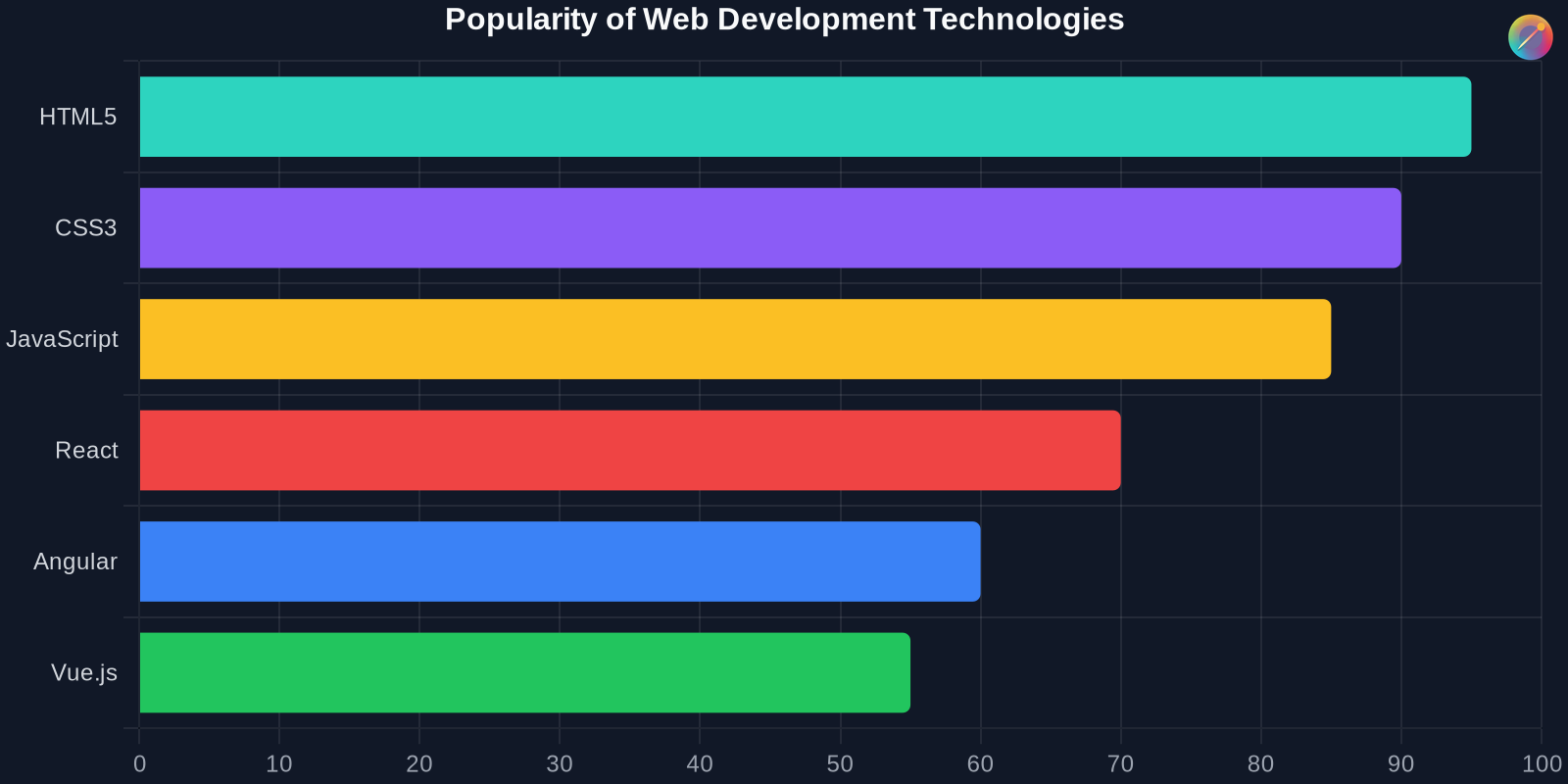
Chart: Popularity of Web Development Technologies
Common Mistakes to Avoid
Skipping the Basics
Many beginners make the mistake of skipping the basics and jumping straight into advanced topics. This can lead to gaps in your knowledge and make it harder to understand more complex concepts.
Not Building Projects
Building projects is essential for applying what you've learned and gaining practical experience. Without projects, your knowledge remains theoretical.
Ignoring Best Practices
Ignoring best practices can lead to poorly structured, inefficient, and insecure code. Always follow best practices for writing clean, maintainable, and secure code.
Comparison: Before and After Building a Strong Foundation
| Aspect | Before | After |
|---|---|---|
| Understanding | Limited understanding of core concepts | Deep understanding of core concepts |
| Problem-Solving | Struggles with problem-solving | Effective problem-solving skills |
| Project Complexity | Can only build simple projects | Can build complex and efficient projects |
| Career Opportunities | Limited career opportunities | Wide range of career opportunities |
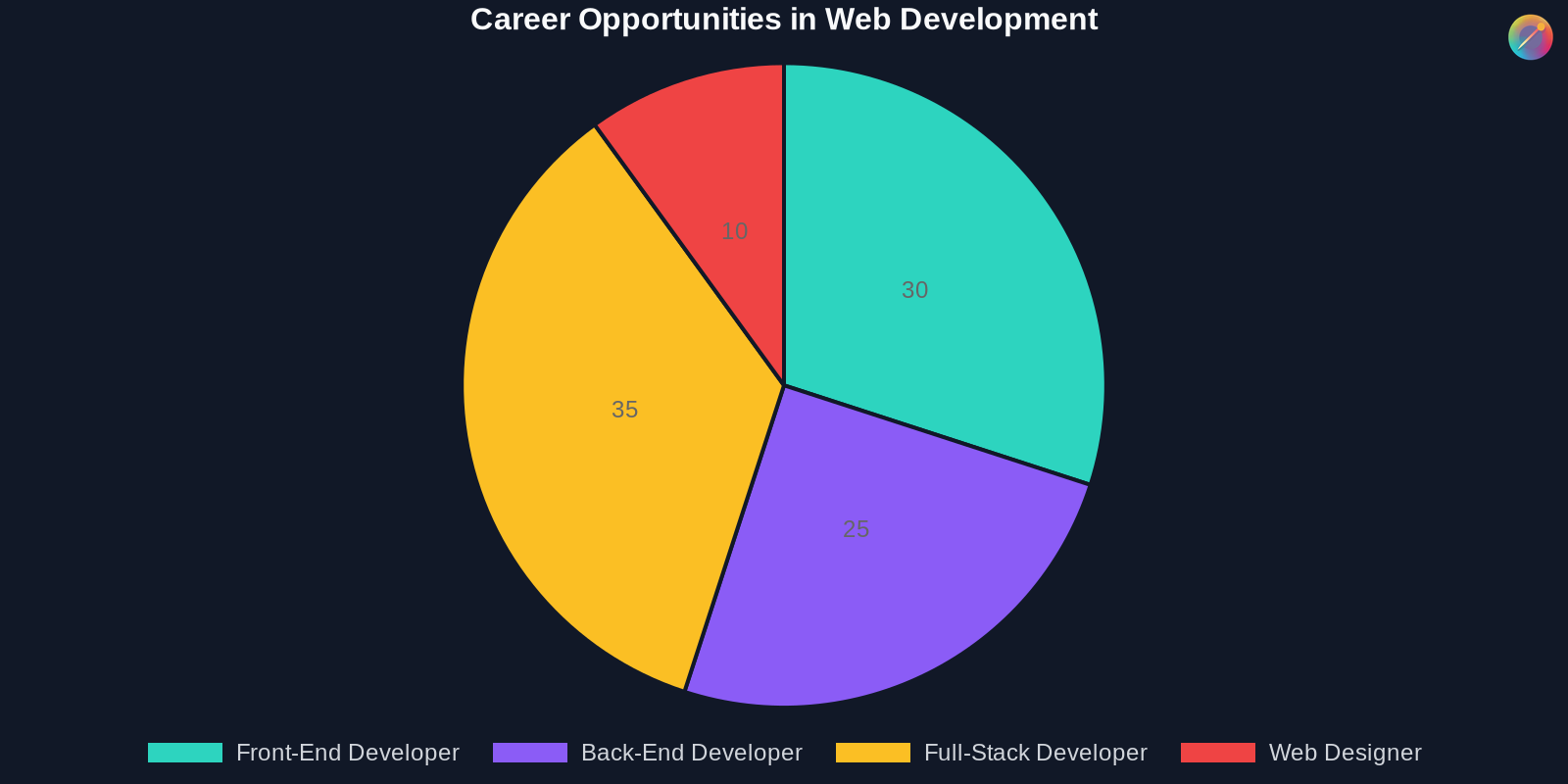
Chart: Career Opportunities in Web Development
Conclusion
Building a strong foundation in web development is crucial for your success as a developer. It ensures that you understand the core concepts and technologies, makes it easier to learn advanced topics, and helps you become a versatile developer capable of tackling any project.
Start with the basics, use the available resources, build projects, and stay up-to-date with industry trends. Avoid common mistakes and always follow best practices. With dedication and hard work, you can build a strong foundation in web development and achieve your career goals.