
Oracle's Strategic Shift: Navigating Layoffs Amidst AI Investment Surge

Oracle's Strategic Shift: Navigating Layoffs Amidst AI Investment Surge
The tech world is buzzing with news of Oracle's major operational adjustments. In a move that has sent ripples across the industry, Oracle has unfortunately laid off thousands of employees, a decision that underscores a deeper, strategic pivot towards aggressive investment in artificial intelligence (AI) and cloud infrastructure. This isn't just about cost-cutting; it's a significant realignment designed to position Oracle at the forefront of the AI revolution, a race where every major tech player is vying for dominance.
Reports indicate that these layoffs come at a time when Oracle is significantly ramping up its AI capabilities, pouring resources into AI superclusters and GPU instances from industry giants like NVIDIA and AMD. The software maker's commitment to AI is clear, even as it navigates the difficult process of workforce reduction. This article delves into the nuances of Oracle's strategic shift, exploring the reasons behind the layoffs, the implications for the company's future, and the broader trends shaping the AI and cloud computing landscape.
The Landscape of Layoffs: A Closer Look at Oracle's Workforce Reductions
Recent reports confirm that Oracle has initiated a significant round of layoffs. While the exact number fluctuates, sources familiar with the situation and news outlets like CNBC have indicated that thousands of jobs are being affected. This comes shortly after Oracle's last reported employment figures, which showed a substantial global workforce.
As of May 2025, Oracle employed approximately 162,000 individuals globally. The scale of these recent reductions, though not officially disclosed by the company, suggests a substantial restructuring effort. Company statements, when available, have cited "current business needs" as the underlying reason, a phrase often used to mask deeper strategic shifts.
The impact of these layoffs extends beyond just numbers. It affects lives, careers, and the morale of the remaining workforce. Understanding the context – particularly the intensive push into AI – is crucial for interpreting these developments. This isn't an isolated incident but rather a symptom of rapid technological evolution and intense market competition.
Many of the affected employees were reportedly in departments not directly aligned with Oracle's intensified AI and cloud infrastructure development goals. This suggests a clear strategy to streamline operations and reallocate resources towards Oracle's declared future growth engines.
Oracle's Bold Bet on AI: The Driving Force Behind the Restructuring
At the heart of Oracle's recent decisions is an undeniable commitment to artificial intelligence. The company recognizes that AI is not just a burgeoning technology but the future backbone of enterprise software and cloud services. To compete with the likes of AWS, Microsoft Azure, and Google Cloud, Oracle must carve out a significant niche in advanced AI capabilities.
This commitment manifests in several ways:
- Investment in AI Superclusters: Oracle is heavily investing in robust AI superclusters, critical infrastructure for training large language models (LLMs) and performing complex AI computations.
- GPU Integration: Partnerships and procurement of high-performance GPUs from NVIDIA and AMD are central to Oracle's strategy, providing the raw computational power needed for cutting-edge AI.
- **Cloud Services Expansion:**AI capabilities are being deeply integrated into Oracle's existing cloud services, offering customers advanced machine learning, data analytics, and automation tools.
"Oracle's strategy is clear: double down on AI, even if it means painful organizational changes in the short term. The future of enterprise technology hinges on this." - Tech Analyst
The financial implications of this strategy are immense. Developing and deploying state-of-the-art AI infrastructure requires substantial capital. This ongoing investment directly influences business decisions, including workforce adjustments, to ensure resources are optimally allocated.
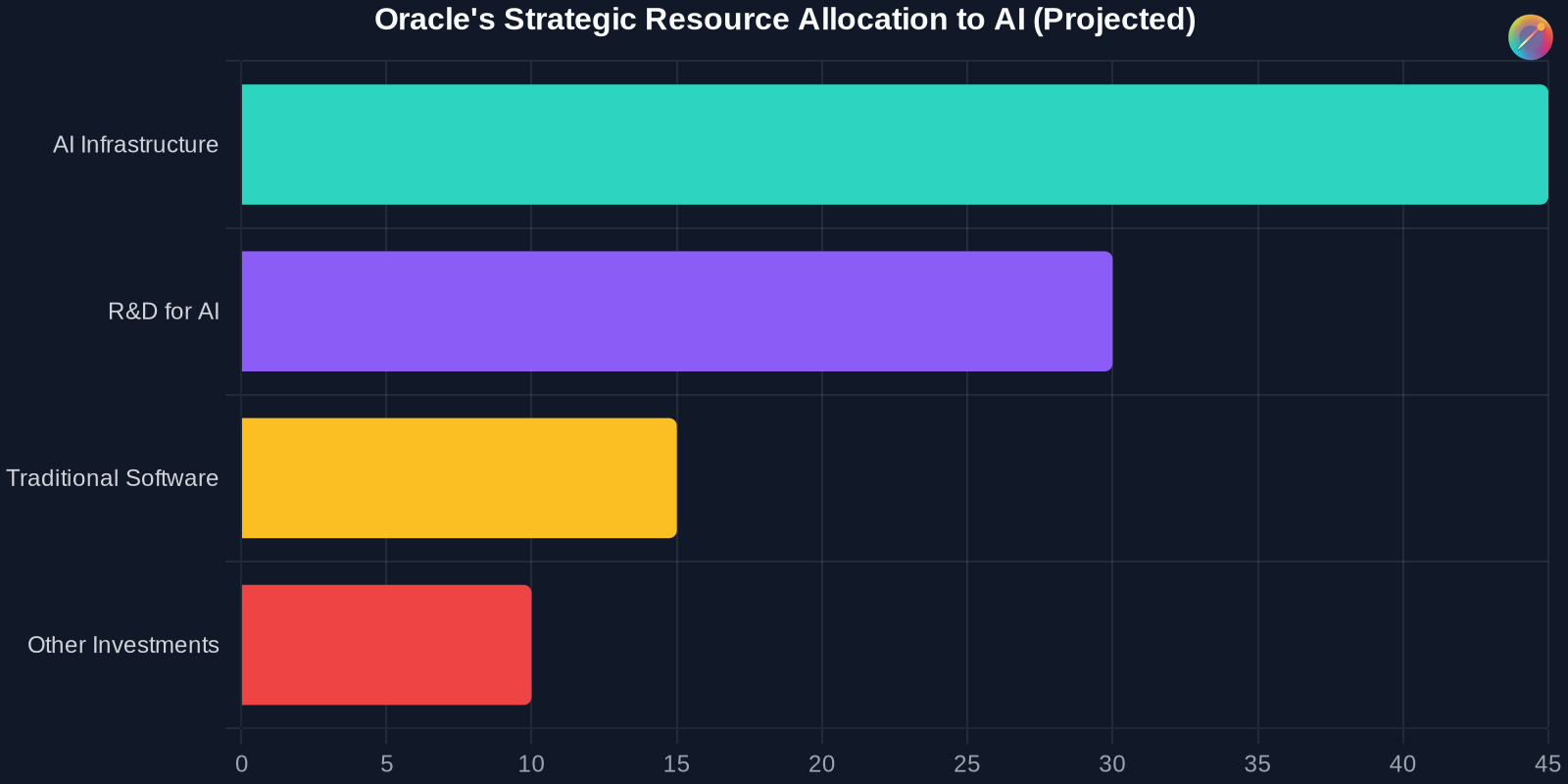
The AI Arms Race and Oracle's Position
Every major tech company is engaged in an 'AI arms race.' From developing proprietary AI models to offering AI-as-a-service, the competition is fierce. Oracle, traditionally known for its database software, has successfully transitioned into a significant cloud services provider. Its current focus on AI is a natural, albeit accelerated, progression.
Oracle's move to enhance its AI cloud offerings, such as its Oracle Cloud Infrastructure (OCI) AI services, is crucial for attracting and retaining enterprise clients. These clients increasingly demand sophisticated AI tools integrated seamlessly with their existing data and applications.
Impact on the Workforce: Navigating Uncertainty in the Tech Sector
The human cost of such strategic shifts is significant. Layoffs, regardless of the underlying business rationale, create anxiety and instability. For those affected at Oracle, the immediate challenge is to find new opportunities in a competitive job market.
The broader tech sector has seen a spate of layoffs across various companies, often attributed to market corrections, economic uncertainties, and, increasingly, AI-driven automation. This trend underscores a pivotal moment where companies are aggressively re-evaluating their workforce needs in the context of emerging technologies.
According to some reports, banks pulling out from financing AI data centers could also contribute to the need for internal financial restructuring. This complex interplay of internal strategic redirection and external financial pressures paints a nuanced picture of the challenges faced by mega-corporations like Oracle.
Supporting Affected Employees
While companies often provide severance packages and outplacement services, the emotional and financial toll on affected employees is profound. Organizations are increasingly scrutinized not just for their business decisions but also for how they manage these difficult transitions.
The Future of Oracle: AI Cloud Dominance?
Oracle's aggressive pivot towards AI, even necessitating significant layoffs, indicates a long-term vision for becoming a dominant player in the AI cloud sector. By shedding roles less aligned with this core focus, Oracle aims to become more agile, efficient, and innovative in its target area.
| Area | Pre-AI Layoffs (approx) | Post-AI Strategic Shift (Projected) |
|---|---|---|
| AI Investment Focus | Moderate | High Priority |
| Cloud Infrastructure | Growing | Rapid Expansion |
| Headcount Allocation to AI | Lower Percentage | Significantly Higher |
Oracle's cloud business, particularly OCI, has been a key growth driver. Integrating advanced AI directly into OCI can unlock new revenue streams and strengthen its competitive edge against established cloud giants. The company's unique position, with strong enterprise relationships and a robust database ecosystem, could be a significant advantage in the AI era.
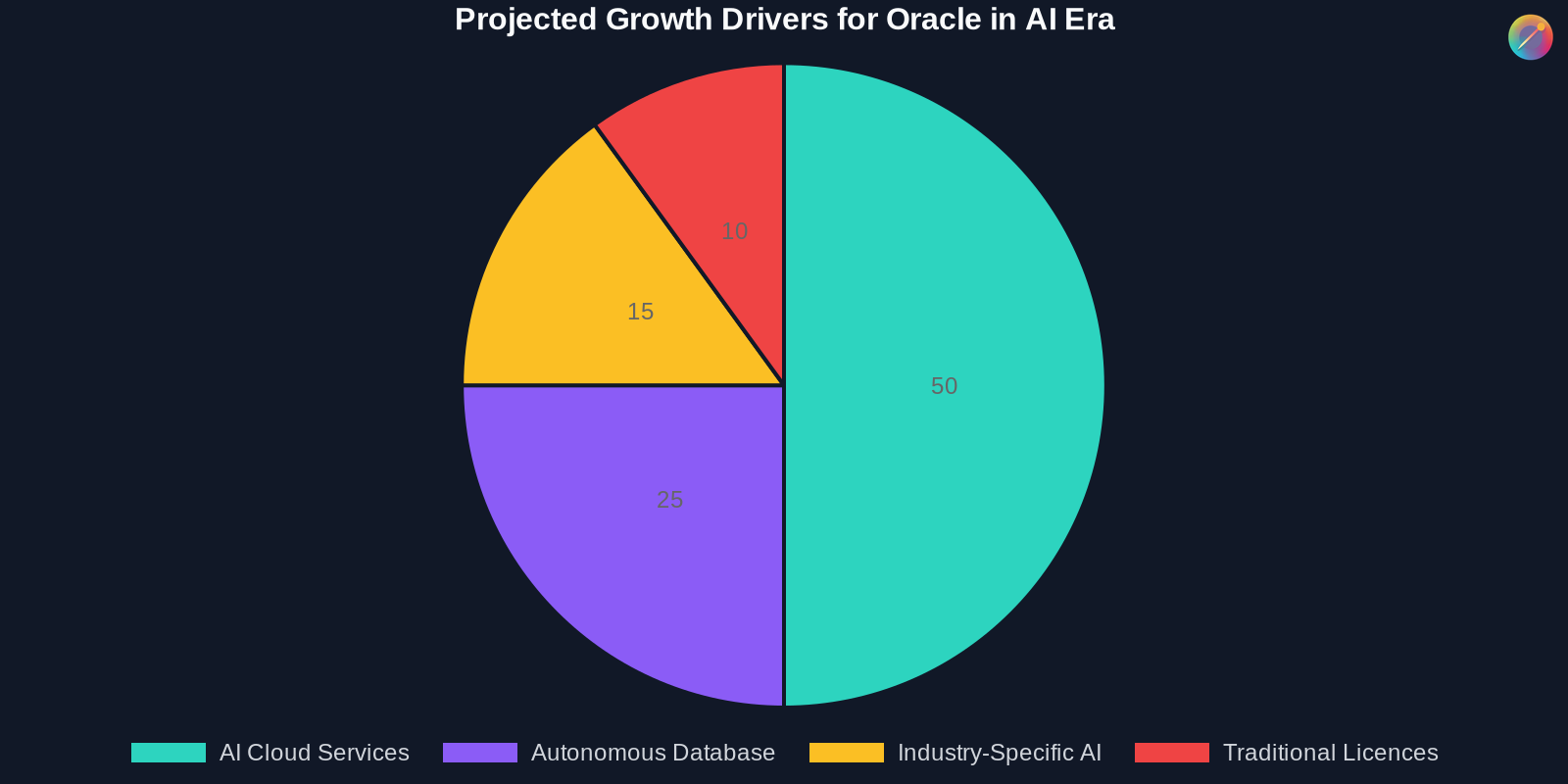
The strategy is not without risks. The massive investment in AI infrastructure, coupled with the disruption caused by layoffs, requires careful execution. However, the potential rewards – a leading position in the trillion-dollar AI market – are substantial.
Key Growth Areas for Oracle's AI Ambitions
- **Generative AI Solutions:**Developing and offering services for creating content, code, and other data using AI.
- **Autonomous Databases:**Further enhancing its self-managing, self-securing, and self-repairing database capabilities with advanced AI.
- **Industry-Specific AI Applications:**Tailoring AI solutions for specific verticals like healthcare, finance, and manufacturing, leveraging its deep domain expertise.
- Edge AI Deployments: Extending AI processing closer to the data source to enable real-time insights and decision-making.
Broader Implications for the Tech Industry
Oracle's strategic shift is a microcosm of broader trends sweeping across the tech industry. The rise of AI is fundamentally altering business models, workforce requirements, and investment priorities. Companies that fail to adapt aggressively risk being left behind.
This shift also highlights the evolving nature of tech jobs. While some roles become redundant, new opportunities emerge in areas like AI engineering, data science, machine learning operations (MLOps), and specialized AI development. The demand for AI-related skills is skyrocketing, creating a talent gap that companies like Oracle are actively trying to fill.
"The current wave of tech layoffs, often framed as cost-cutting, is frequently a reallocation of resources towards the most impactful technologies, with AI leading the charge." - Industry Analyst
Organizations are also grappling with ethical considerations and regulatory frameworks surrounding AI. As AI becomes more pervasive, the responsibility to develop and deploy it responsibly falls on companies and governments alike. Oracle, as a major player, will inevitably contribute to shaping these standards.
Conclusion: A Vision for an AI-Powered Future
Oracle's decision to implement layoffs while simultaneously surging ahead with AI investments is a stark reflection of the tough choices companies face in a rapidly evolving technological landscape. It's a strategic gambit, designed to consolidate resources and focus on what Oracle perceives as its most promising growth vector: artificial intelligence and its integration into cloud services.
The short-term pain of job reductions is undoubtedly severe for those affected. However, from a corporate strategy perspective, Oracle is making a calculated move to secure its long-term relevance and competitive edge in an AI-dominated future. The success of this strategy will depend on its execution, innovation, and ability to attract (and retain) top-tier AI talent.
As the tech world continues its march towards an AI-powered future, Oracle’s actions serve as a powerful case study for how established giants are adapting to stay ahead of the curve. The next few years will reveal whether this bold alignment will cement Oracle’s position as a leader in the next generation of enterprise technology.
Key Takeaways:
- Oracle has initiated significant layoffs, impacting thousands of employees.
- The primary driver for these changes is a massive strategic investment in AI and cloud infrastructure.
- Oracle is rapidly expanding its AI capabilities, including superclusters and GPU instances.
- The tech industry is witnessing a sector-wide shift towards AI-centric operations.
- Affected employees face a complex job market, but new AI-centric roles are emerging.
- Oracle aims to solidify its position as a leading AI cloud services provider.
For more in-depth analysis on Oracle's cloud computing advancements, visit Oracle's Official Cloud Infrastructure website. For broader tech news, CNBC's tech section is a reliable source: CNBC Tech News.