

The Future of Frontend Development: Top Trends for 2025/2026
The frontend landscape is evolving faster than ever. By 2025, AI-driven development has moved from experimental to essential, WebAssembly is redefining performance boundaries, and component architectures are becoming universally adopted. This post dives into the trends every frontend developer and engineering leader must know to stay competitive.
How AI Changes the Frontend Workflow
Today, generating a complete UI from a design mockup takes minutes instead of days. Tools like DivMagic allow you to copy any UI element from a website directly into your project, including all CSS, HTML, and JavaScript. This is a game-changer for rapid prototyping and learning. The combination of AI-assisted coding and direct UI copying means that the barrier between design and development is dissolving.
2. WebAssembly Goes Mainstream
WebAssembly (Wasm) is expanding beyond the browser. With new runtimes and better tooling, developers can now run high-performance code written in Rust, C++, and Go directly in the browser. This enables applications that previously required native performance, video editing, 3D rendering, complex data visualization, to run seamlessly on the web. Frontend developers need to understand at least the basics of Wasm to leverage libraries and frameworks that use it under the hood.
6. The State of Frontend Frameworks
React remains dominant, but its market share is being chipped away by newer contenders. Svelte and SolidJS offer compile-time reactivity with smaller bundles. Vue 3 continues to grow, especially in Asia. Angular is stable but less popular among new projects. The choice of framework increasingly depends on team expertise and ecosystem needs.
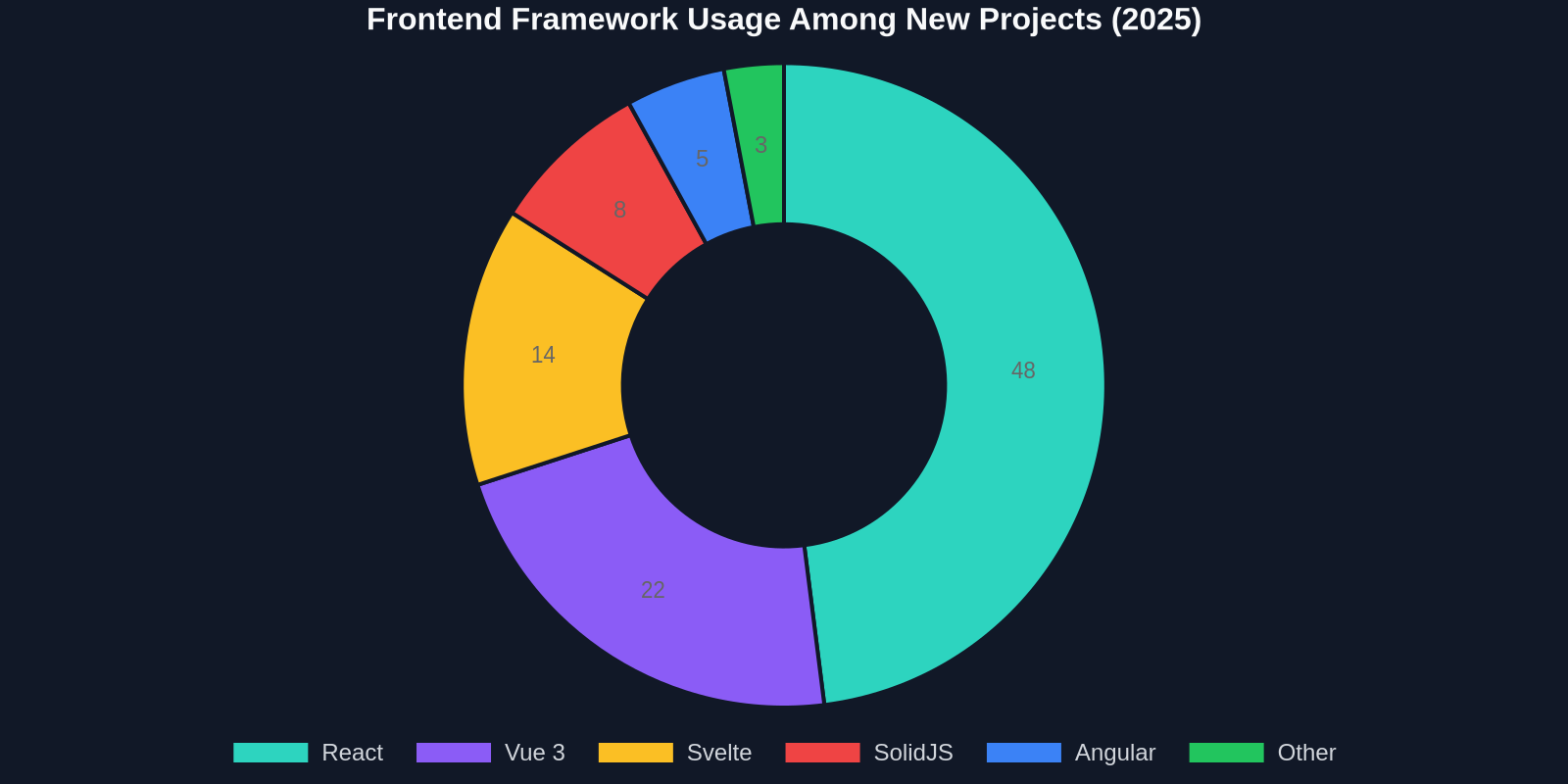
Interestingly, many developers are using AI to migrate between frameworks. Tools exist that can translate a React component to Vue or Svelte automatically, lowering migration costs.
7. The Growing Importance of Accessibility
Accessibility (a11y) is no longer an afterthought. With legal requirements tightening and user expectations rising, frontend developers must build inclusive interfaces. AI can audit for a11y violations, but human judgment is still needed for complex interactions. Tools like axe-core, Lighthouse, and even DivMagic's inspection can help identify and fix issues quickly.
Conclusion: Embrace the Change
The frontend trends of 2025/2026 are about leveraging AI for speed and quality, adopting edge computing for performance, and building with components that are accessible and design-token driven. Tools like DivMagic empower developers to learn from the best UIs on the web and integrate them instantly, accelerating the entire design-to-code workflow. The developers who thrive will be those who embrace these tools and trends, not fear them.
Start experimenting with AI-powered tools, explore WebAssembly, and refine your component workflow. The future is already here, it's just unevenly distributed.



Related Articles
Voici la traduction en français : Reconstruire un site web codé à la main avec Astro : Guide du workflow frontend moderne

Dustpile : l'interface utilisateur façon Tinder qui résout votre backlog de jeux — et ce que les développeurs frontend peuvent en apprendre