

Socket Acquires Secure Annex: Strengthening Browser Extension Security for Developers
In a move that signals growing maturity in the browser extension security space, Socket has announced the acquisition of Secure Annex. This acquisition aims to fortify extension security across browsers and developer tools, addressing a critical gap in the modern development workflow. For frontend developers and web engineers, browser extensions are indispensable, but they also represent one of the most overlooked attack surfaces in the software supply chain.
As the line between development tools and production applications blurs, securing every piece of code that touches your development environment becomes paramount. Socket, already known for its supply-chain security tool for npm packages, is now extending its reach into the browser extension ecosystem.
Behind the Acquisition: Socket and Secure Annex
Socket is primarily known for detecting supply-chain risks in open-source packages, including malware, typo-squatting, and hidden code. Their tool analyzes thousands of packages daily and has become a staple for security-conscious teams.
Secure Annex, on the other hand, specialized in securing browser extension authentication flows, ensuring that extensions handle OAuth tokens, session storage, and cross-origin communication securely. By merging their technologies, the combined entity can now offer end-to-end extension security from development to distribution.
What This Means for the Supply-Chain Security Ecosystem
The acquisition is part of a broader trend: securing the entire developer toolchain. Packages, GitHub Actions, CI/CD pipelines, and now browser extensions, each is a potential entry point for attackers.
Socket's move into extension security acknowledges that the browser is now a primary runtime for development tools. Extensions like DivMagic, VS Code, or browser-based IDEs are no longer peripheral. They are core infrastructure.
The Future: Unified Security Across Tools
Imagine a world where your package manager, your CI system, and your browser extensions all report to a central security dashboard. Socket's vision aligns with that: one platform to monitor all risks across the developer ecosystem.
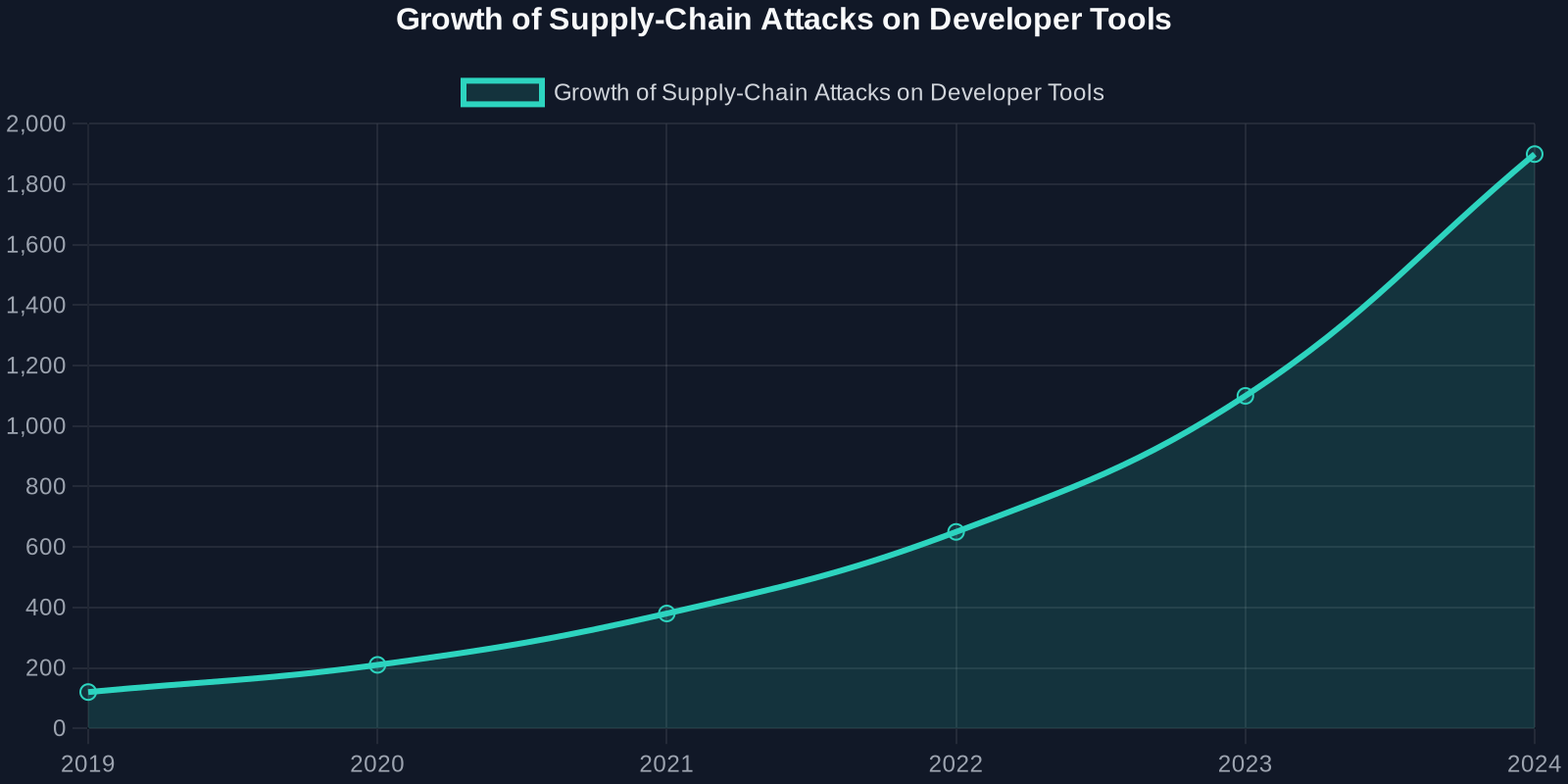
The chart above shows the projected growth in supply-chain attacks targeting developer tools. As more businesses adopt DevSecOps, the demand for integrated security solutions will only rise.
Practical Next Steps for Developers
While the full integration of Secure Annex will take time, you can start improving your extension security today:
- Review permissions of every extension you use. Remove any that request excessive access.
- Enable two-factor authentication on your extension developer accounts.
- Monitor for updates from Socket about new security features for extensions.
- Use tools like DivMagic that prioritize security and follow best practices for data handling.