
آبل تحوّل مستخدمي سفاري إلى مطوري إضافات باستخدام الذكاء الاصطناعي: عصر جديد من الذكاء على الجهاز

title: "أبل تحول مستخدمي سفاري إلى مطوري إضافات باستخدام الذكاء الاصطناعي: عصر جديد من الذكاء على الجهاز" description: "اكتشف كيف تمكن أدوات تطوير إضافات سفاري الجديدة المدعومة بالذكاء الاصطناعي من أبل المستخدمين من أن يصبحوا مطورين، مستفيدة من نماذج الأساس على الجهاز لتجارب تصفح ذكية تحافظ على الخصوصية."
أبل تحول مستخدمي سفاري إلى مطوري إضافات باستخدام الذكاء الاصطناعي: عصر جديد من الذكاء على الجهاز
في مؤتمر المطورين العالمي لعام 2025 (WWDC)، كشفت أبل عن تحول جذري في استراتيجيتها للذكاء الاصطناعي من شأنه إعادة تعريف كيفية تفاعل المستخدمين مع سفاري. بدلاً من طرح تكاملات واسعة وشاملة للذكاء الاصطناعي عبر نظامها البيئي، تتبنى أبل نهجًا أكثر تركيزًا: تحويل مستخدمي سفاري إلى مطوري إضافات باستخدام الذكاء الاصطناعي. تستفيد هذه الخطوة من نماذج الأساس على الجهاز من أبل، مما يمكّن المطورين من جهات خارجية—وحتى المستخدمين العاديين—من إنشاء إضافات متصفح ذكية تحافظ على الخصوصية كانت في السابق حكرًا على فرق هندسية كبيرة.
This approach has several advantages:
- Privacy: User data never leaves the device, reducing exposure to breaches.
- Speed: On-device inference eliminates latency from cloud calls.
- Offline Capability: Extensions work even without an internet connection.
- Cost Efficiency: No server costs for developers or users.
How Safari Extensions Are Evolving
Traditionally, Safari extensions were limited to simple tasks like ad blocking or password management. With AI, extensions can now perform complex operations such as:
- Real-time language translation
- Intelligent content summarization
- Contextual search assistance
- Personalized shopping recommendations
- Automated form filling with natural language understanding
This on-screen awareness is a game-changer for Safari extensions. Imagine an extension that can read the content of a webpage and offer contextual actions—like summarizing a long article, translating a foreign language paragraph, or extracting key data points—all without sending data to the cloud.
Key Features of Apple Foundation Models for Safari
-Natural Language Understanding: Extensions can interpret user queries in plain English.
- Contextual Awareness: Models understand the current webpage context.
- Multimodal Capabilities: Support for text, images, and audio inputs.
- Privacy-Preserving Architecture: All processing happens on-device.
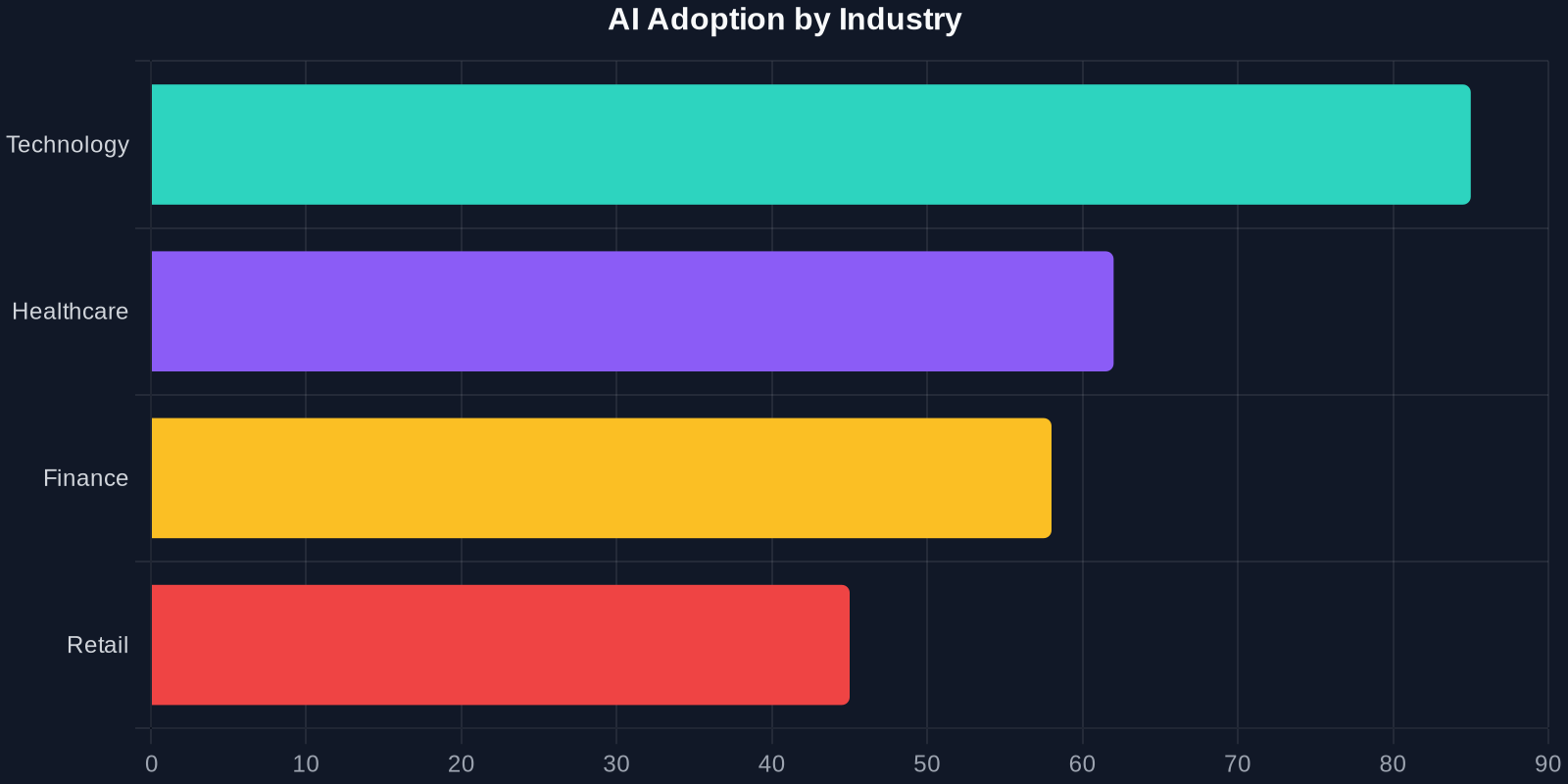
This chart illustrates how different industries are adopting AI, with technology leading at 85%. Apple's on-device approach is particularly appealing to healthcare and finance sectors, where data privacy is paramount.
How Users Can Become Extension Developers
Apple's new initiative is not just for professional developers. The company has introduced a visual extension builderwithin Safari's settings, allowing users to create simple AI-powered extensions without writing code. This tool uses a drag-and-drop interface where users can:
1.Select a trigger: Choose when the extension activates (e.g., on page load, on click). 2. Define an action: Pick from pre-built AI tasks like summarization, translation, or sentiment analysis. 3. Customize output: Adjust the format and length of the response.
For more advanced users, Apple provides a JavaScript APIthat directly interfaces with the Foundation Models. This allows for custom logic and integration with other web services.
Example: Building a Smart Bookmark Extension
Let's walk through a simple example. Suppose you want an extension that automatically tags bookmarks with AI-generated keywords. Here's how you'd do it:
1.Create a new extensionusing the visual builder. 2.Set the triggerto "When bookmarking a page." 3.Choose the action"Generate keywords using AI." 4.Save and testthe extension.
The extension will use the Foundation Model to analyze the page content and suggest relevant tags, all stored locally.
Privacy and Security: Apple's Competitive Advantage
In an era where data breaches are commonplace, Apple's commitment to privacy is a significant differentiator. By keeping AI processing on-device, Apple ensures that user data remains under their control. This is especially critical for Safari extensions, which often have access to browsing history and page content.

فرص جديدة للمطورين
- تحقيق الدخل: يمكن للمطورين بيع إضافاتهم على متجر تطبيقات ماك أو تقديم مشتريات داخل التطبيق.
- عبر المنصات: يمكن للإضافات المبنية لسفاري العمل أيضًا على iOS وiPadOS مع تغييرات طفيفة.
- المجتمع: أطلقت أبل منتدى مطورين مخصصًا ومستودعًا للكود النموذجي.
مستقبل سفاري والذكاء الاصطناعي
خطوة أبل لتحويل مستخدمي سفاري إلى مطوري إضافات باستخدام الذكاء الاصطناعي هي مجرد البداية. في WWDC 2025، كشفت أبل أيضًا عن لغة تصميم جديدة تسمى الزجاج السائل، والتي تدمج أنظمة الذكاء الاصطناعي وتفاعل المستخدم في تجربة سلسة. يشير هذا إلى أن الذكاء الاصطناعي سيصبح أكثر اندماجًا في الإصدارات المستقبلية من سفاري وmacOS.
توقعات لعام 2026 وما بعده
- سيري الحواري: ترفع أبل مستوى لعبتها في الذكاء الاصطناعي بإصدار جديد من سيري مدعوم بنماذج لغة كبيرة متقدمة (LLMs). سيتكامل سيري الحواري هذا، المقرر إطلاقه في 2026، بعمق مع إضافات سفاري.
- إعادة التأطير المكاني: ستسمح ميزات جديدة مثل إعادة التأطير المكاني للإضافات بتكييف المحتوى لبيئات الواقع المعزز/الافتراضي.
- الاستمرارية عبر الأجهزة: ستعمل الإضافات بسلاسة عبر iPhone وiPad وMac وVision Pro.
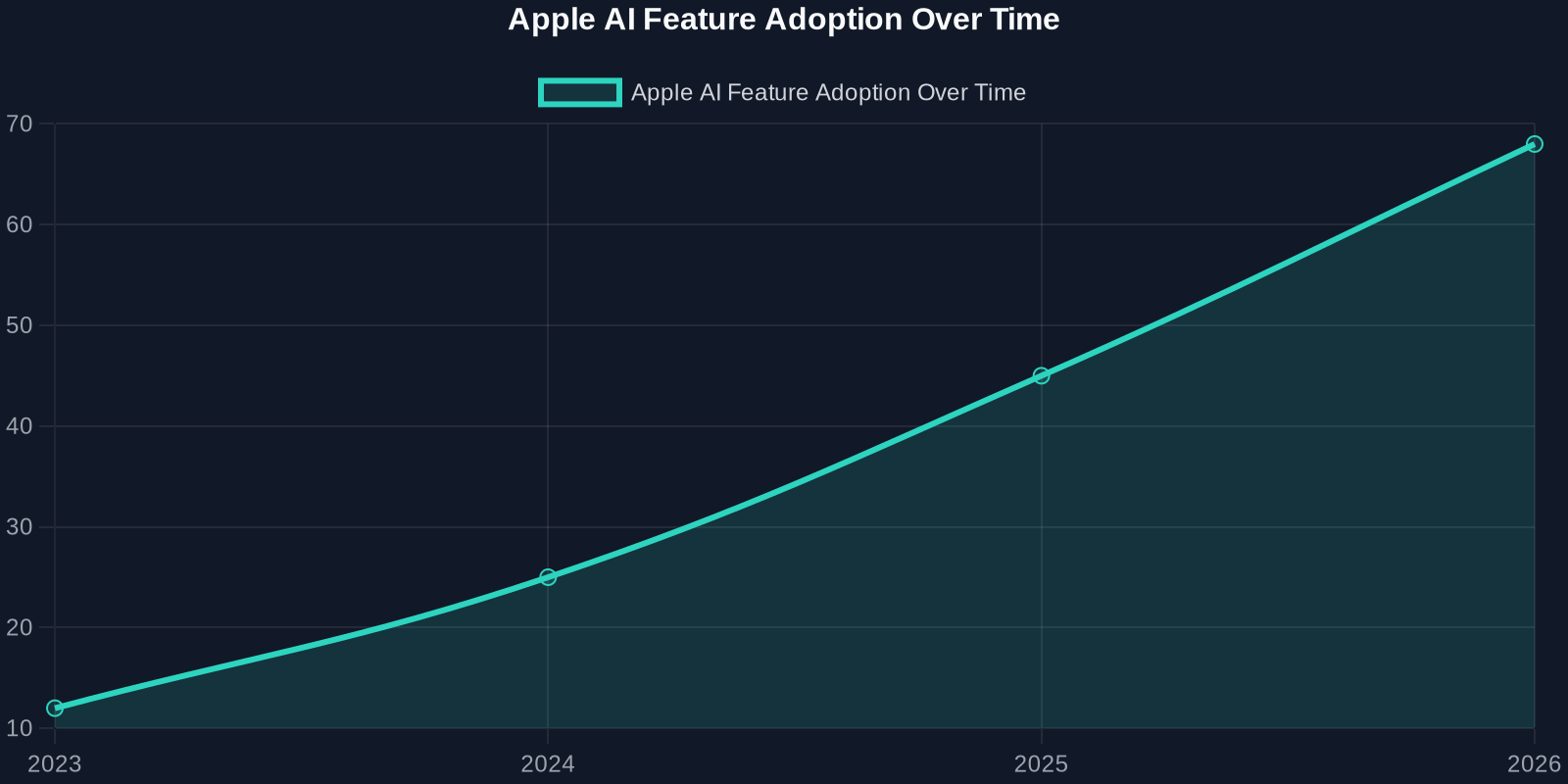
يظهر هذا الرسم البياني الخطي التبني المتوقع لميزات الذكاء الاصطناعي من أبل بمرور الوقت، مع زيادة حادة متوقعة بعد إطلاق سيري الحواري في 2026.
النقاط الرئيسية
مع استمرار أبل في دمج الذكاء الاصطناعي عبر أجهزتها وتطبيقاتها، سيتلاشى الخط الفاصل بين المستخدم والمطور، مما يخلق عالمًا رقميًا أكثر تخصيصًا وأمانًا. مستقبل التصفح هنا، وهو مدعوم بك.
لمزيد من الرؤى حول استراتيجية الذكاء الاصطناعي من أبل، اطّلع على مقالاتنا ذات الصلة حول Apple Intelligence وWWDC 2025 Highlights.